INNOVATION
Can Home Tech Finally Fix Hospital Readmissions?
The READI-Home challenge invites innovators to build home-use devices that prevent hospital readmissions, with FDA sprint access by December 2026
3 Jun 2026
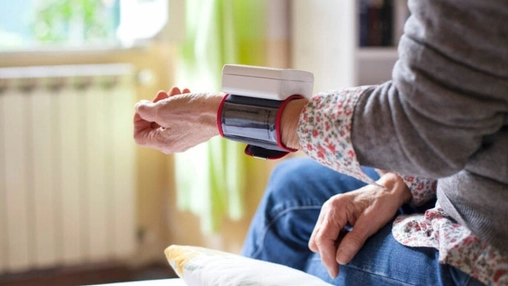
America's Food and Drug Administration has launched a competition to fast-track home-use medical devices aimed at reducing hospital readmissions, one of US healthcare's most persistent and expensive structural problems.
Called the READI-Home Innovation Challenge, the programme opened on April 7, 2026 under the agency's Center for Devices and Radiological Health. Developers have until September 30 to submit proposals, which must include a device description, feasibility evidence, and a Data Development Plan covering clinical and non-clinical testing, all within 16 pages.
Readmission costs are measurable and steep. Among patients with chronic conditions, 30-day readmission rates reach 18.4%, with more than half of those returns triggered by complications unrelated to the original diagnosis. Each readmission consistently costs roughly 12% above the initial hospital stay, a burden that improved home monitoring could reduce.
Acceptance among patients is not in question. A 2024 JAMA study found that nearly half of US adults consider hospital-at-home care acceptable.
Up to nine technologies will advance into a collaboration phase beginning December 5, 2026, where developers receive intensive sessions with FDA scientists and access to agency research facilities. Selected devices may also qualify for Breakthrough Device designation, a pathway that substantially shortens the route to market.
For companies working in remote monitoring, AI-enabled home diagnostics, or caregiver-operated recovery tools, READI-Home offers early regulatory alignment before clinical trials begin. That positioning carries practical weight in a sector where late-stage regulatory friction is common.
The challenge builds on CDRH's existing Home as a Health Care Hub initiative. As hospital-at-home programmes expand across US health systems, federal support has shifted from concept to active development incentive. Whether that incentive translates into deployable devices at scale remains to be seen.
Related News


SUBSCRIBE FOR UPDATES
By submitting, you agree to receive email communications from the event organizers, including upcoming promotions and discounted tickets, news, and access to related events.