INNOVATION
AI-Driven Remote Care Notches Real Wins
SEARCH 2026 data shows AI remote monitoring cut hypertension rates and improved diabetes control nationwide
1 Jul 2026
Doctors have talked about remote monitoring for years. This month, they got numbers to back it up.
At the SEARCH 2026 National Telehealth Research Symposium, held June 3, researchers laid out results that suggest AI-assisted care has moved past the experimental stage. The gathering covered remote patient monitoring, virtual nursing, telebehavioral health, and hospital-at-home programs. But one study stood out.
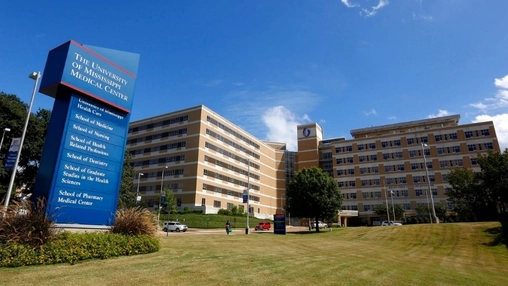
Teams from the University of Mississippi Medical Center and the Medical University of South Carolina tracked patients working to bring their blood pressure below 130 over 80. Over four months, the share hitting that target jumped from 26.7 percent to 39.5 percent. That is a 13-point swing, driven largely by AI tools built into remote monitoring systems. Patients managing type 2 diabetes saw similar gains, with glucose-target improvements ranging from about 6 percent to 12 percent over the same stretch.
Dr. James McElligott, who leads the Telehealth Center of Excellence, described the results as proof that connected care has outgrown pilot programs. Dr. Kathryn King, chief medical information officer at the Medical University of South Carolina, pointed to AI's growing role in turning raw patient data into decisions doctors can act on immediately. Carly Brown, a clinical pharmacist at the University of Mississippi School of Pharmacy, added detail on how AI is reshaping remote medication management. Their combined work paints a picture of a technology finally proving its worth.
Virtual nursing drew its own share of attention. Researchers from the University of Mississippi Medical Center shared findings on AI-driven fall prevention protocols, showing measurable safety improvements for hospitalized patients. Dr. Michelle Mejia, who directs neonatal telehealth at Seattle Children's Hospital, closed things out with research on connected care for newborns.
None of this settles the debate over whether telehealth deserves the investment health systems have poured into it. But it changes the terms. Hospitals now have something they lacked before: hard numbers showing that AI-assisted remote care can move the needle on chronic disease, not just make it more convenient to check in with a doctor. If the trend holds, the biggest question left may not be whether AI belongs in remote care, but how fast systems can scale it up.
Related News


topics on the agenda
FROM SYMPTOM TO SOLUTION: WINNING THE NEW PATIENT JOURNEY
Day 1: WEDNESDAY, JULY 8, 2026
09:00 - 09:25
TELEHEALTH UNDER SCRUTINY: PERSPECTIVES FROM HEALTHCARE AND WHITE-COLLAR COUNSEL ON SURVIVING UPIC AUDITS AND DOJ INVESTIGATIONS
Day 1: WEDNESDAY, JULY 8, 2026
09:30 - 09:55
PANEL DISCUSSION ON INNOVATIONS AND CHALLENGES IN REMOTE PATIENT MONITORING AND PERSONALIZED CARE
Day 1: WEDNESDAY, JULY 8, 2026
11:00 - 11:30
SUBSCRIBE FOR UPDATES
By submitting, you agree to receive email communications from the event organizers, including upcoming promotions and discounted tickets, news, and access to related events.